


Dr David Butterfield is the Provost of Ralston College, and Professor of Latin. He works primarily on Latin literature, particularly poetry of the Late Republic and Augustan periods. Before joining Ralston he spent two decades at the University of Cambridge as a student and University Senior Lecturer, where he was Director of Studies in Classics, Praelector and Archivist. His teaching covered Latin and Greek literature, prose and verse composition, and textual criticism of the Classics.
Tomorrow, he is returning to the show to discuss the story and history of the Odyssey, Homer, ancient Greece and what Hollywood gets wrong.
Comment your questions for David below.
Francis has been taking Qualia Creatine+.
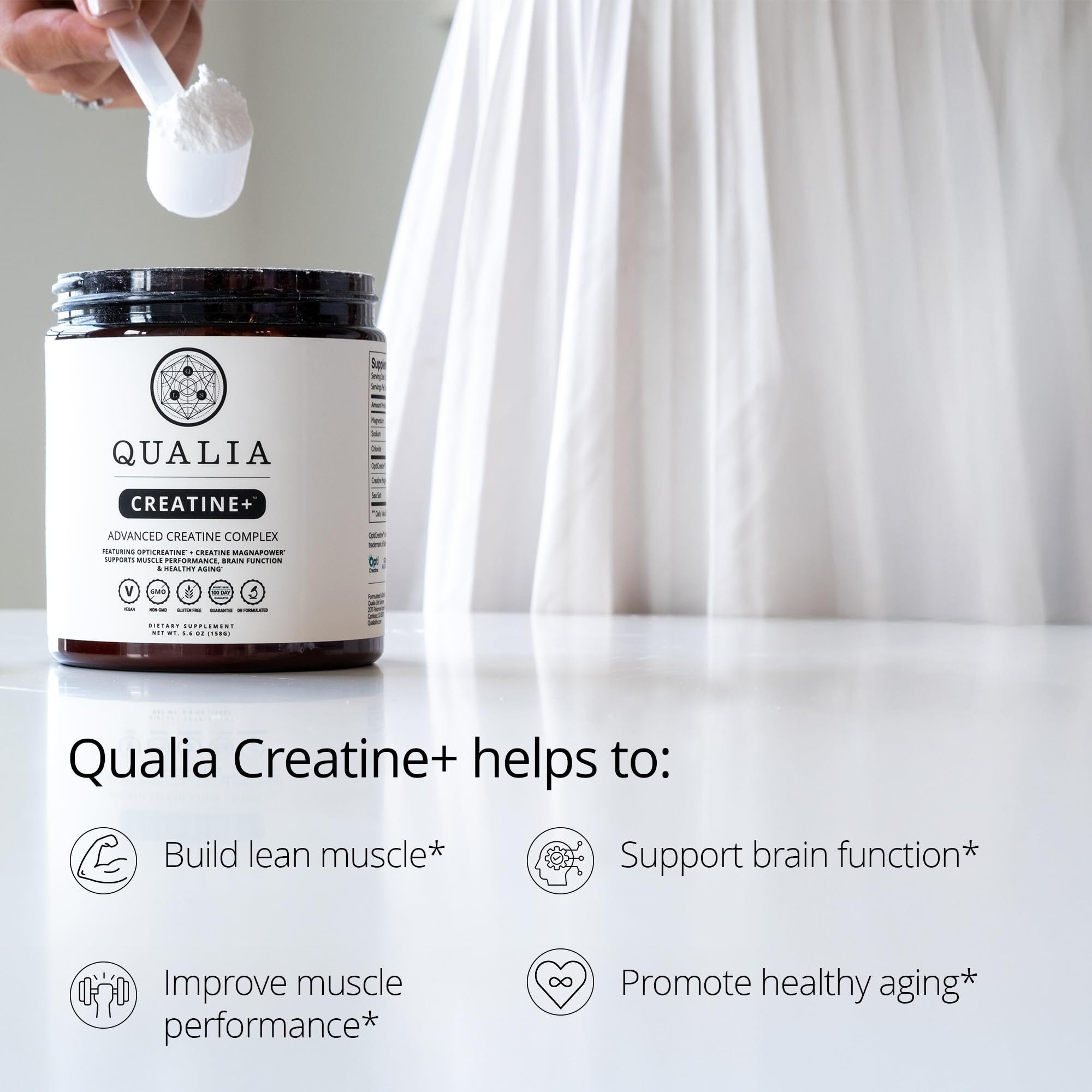
Here’s what he has to say about it:
“I resisted creatine for years. I assumed it was for people who spend three hours a day in the gym and refer to themselves in the third person.
Turns out I was wrong.
The research on creatine has moved well beyond the gym.
Your body makes it naturally and uses it as fuel, not just for your muscles, but for your brain, your energy levels, your mood, your memory.
The problem: from your 40s onwards, your body produces less and less of it and recovery is slower. You get that afternoon fog and the sense that you’re running on slightly less than you used to”
Most creatine supplements don’t actually solve this. The formula matters, specifically whether it gets into your cells and activates once it’s there. Qualia Creatine+ uses two clinically studied forms of creatine, combined with electrolytes and sea salt, designed to solve the whole problem.
Give your body and brain the support they deserve.
SHOP NOW for up to 50% off, and use code TRIG15 for an extra 15% at checkout.
Latin and Greek are seen as elite, stuffy subjects in school, how can we change that as the classics are, well, classics?
An area I am interested in is how Greek Philosophy and Christianity were combined to be the foundation of Western Society. Could you provide some examples of what Christianity took from the Greeks to turn it into what it is today/?