


Robert A. Pape is Professor of Political Science at the University of Chicago specializing in international security affairs. His publications include Cutting the Fuse: The Explosion of Global Suicide Terrorism and How to Stop It (Chicago 2010) (with James Feldman); Dying to Win: The Strategic Logic of Suicide Terrorism (Random House 2005); Bombing to Win: Air Power and Coercion in War (Cornell 1996), "Why Economic Sanctions Do Not Work," International Security (1997), "The Determinants of International Moral Action," International Organization (1999); "The Strategic Logic of Suicide Terrorism," American Political Science Review (2003); and "Soft Balancing against the United States," International Security (2005).
Tomorrow, he is joining the guys in New York to discuss the war in Iran, the history of the conflict and what the outcomes might be.
Gold is back in the headlines.
Central banks are adding to their reserves.
Governments are printing more of their currency.
Debt keeps climbing.
But rising gold prices alone don’t explain what’s really happening.
The team at Monetary Metals just released their 2026 Gold Outlook Report, and it digs into the deeper forces driving the gold market right now.
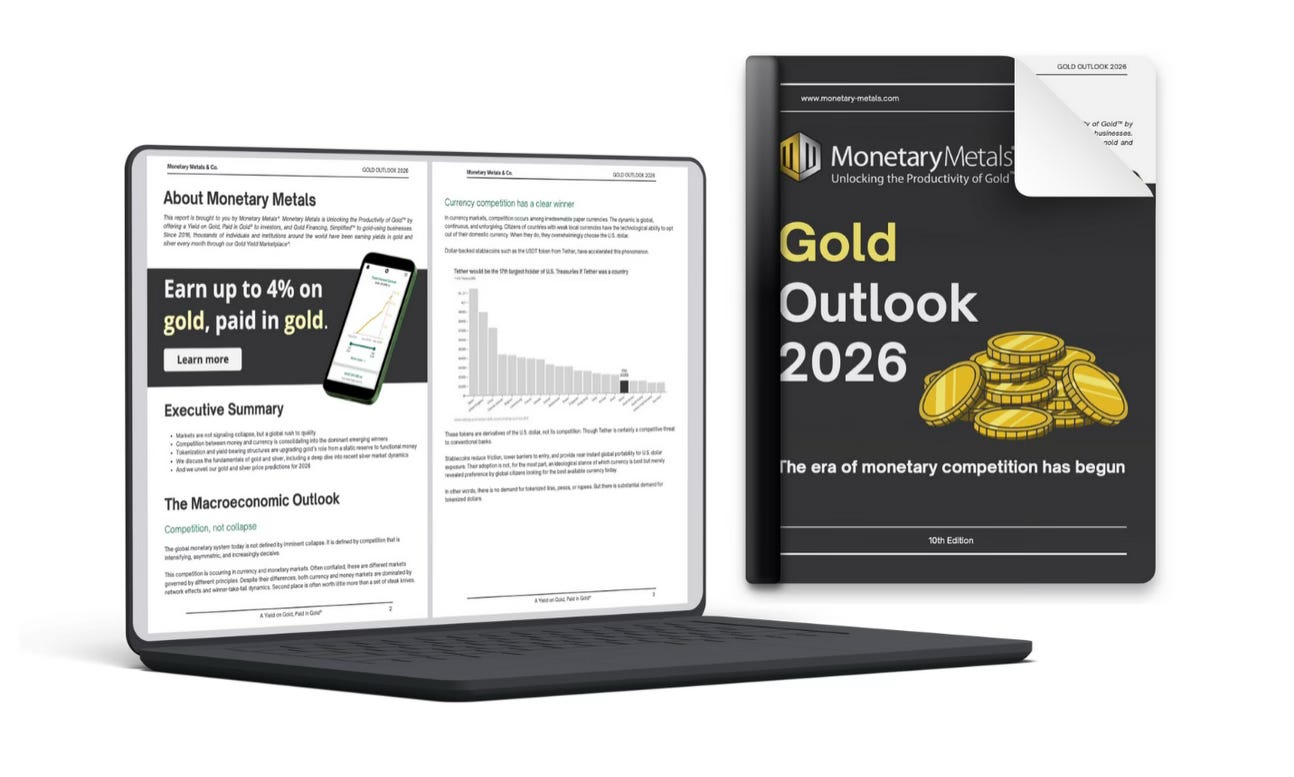
Inside the report you’ll learn:
Why gold may still be in a long-term bull market
What rising debt and unstable monetary policy means for gold
Why recent market volatility could signal bigger shifts ahead
It’s a clear, data-driven look at where gold is today, and where it may go next.
If you care about gold, this is worth your time.
This Iran war is ostensibly about preventing that govt. from the power of nuclear weapons. With the high existential threat presented by AGI, should governments be allowed to acquire those tremendous powers? Would it not be moral military action to first-strike prevent AGI development, as Eliezer Yudkowsky has urged?
Hi Robert. I noticed you wrote an article a while ago arguing that the Capitol Hill protestors were not more likely to be poor and working-class compared to Democrats. Are there any notable demographic differences between Trump supporters, and how does that compare to other countries (e.g. England), where it definitely is the working classes that support Reform UK, Restore, Tommy Robinson, etc.?