


Robert Tombs is Emeritus Professor of French History at Cambridge, and a Fellow of St John's College. Most of his writing and teaching has been on French and European history and on Franco-British relations, for which he was awarded the Palmes Académiques by the French government. Since his foray into English history, with the publication of The English and Their History in 2014, he has become a frequent commentator on contemporary issues, and is co-editor of the pro-Brexit academic website Briefings for Britain.
Tomorrow, he is coming on the show to discuss the history between England and France and why the two countries have such a violent history over the last thousand years. Everything from the Normans to Napoleon to the modern day.
Comment your questions below.
Gold is back in the headlines.
Central banks are adding to their reserves.
Governments are printing more of their currency.
Debt keeps climbing.
But rising gold prices alone don’t explain what’s really happening.
The team at Monetary Metals just released their 2026 Gold Outlook Report, and it digs into the deeper forces driving the gold market right now.
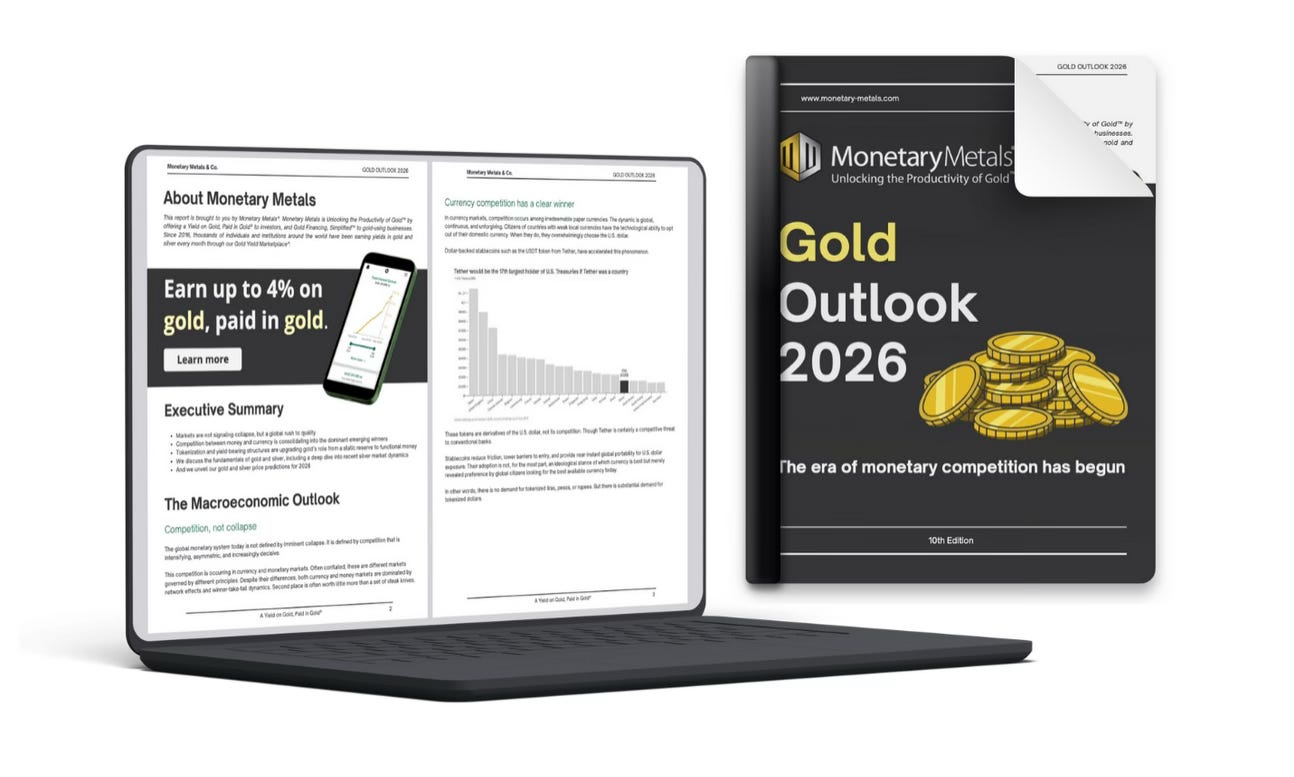
Inside the report you’ll learn:
Why gold may still be in a long-term bull market
What rising debt and unstable monetary policy means for gold
Why recent market volatility could signal bigger shifts ahead
It’s a clear, data-driven look at where gold is today, and where it may go next.
If you care about gold, this is worth your time.
Why doesnt there seem to be more anger from England towards France for the steady stream of small boats that France lets through?
From all I read, Prof Tombs is still a supporter of the Conservative Party. How does he square that with their failure—often deliberate—to make anything meaningful out of Brexit? Example: Badenoch refusing to erase a large number of EU laws when she had the duty to do so.
We are always being told France is worse off than we are economically, culturally. I don’t agree, but what are the Prof’s thoughts on this?