


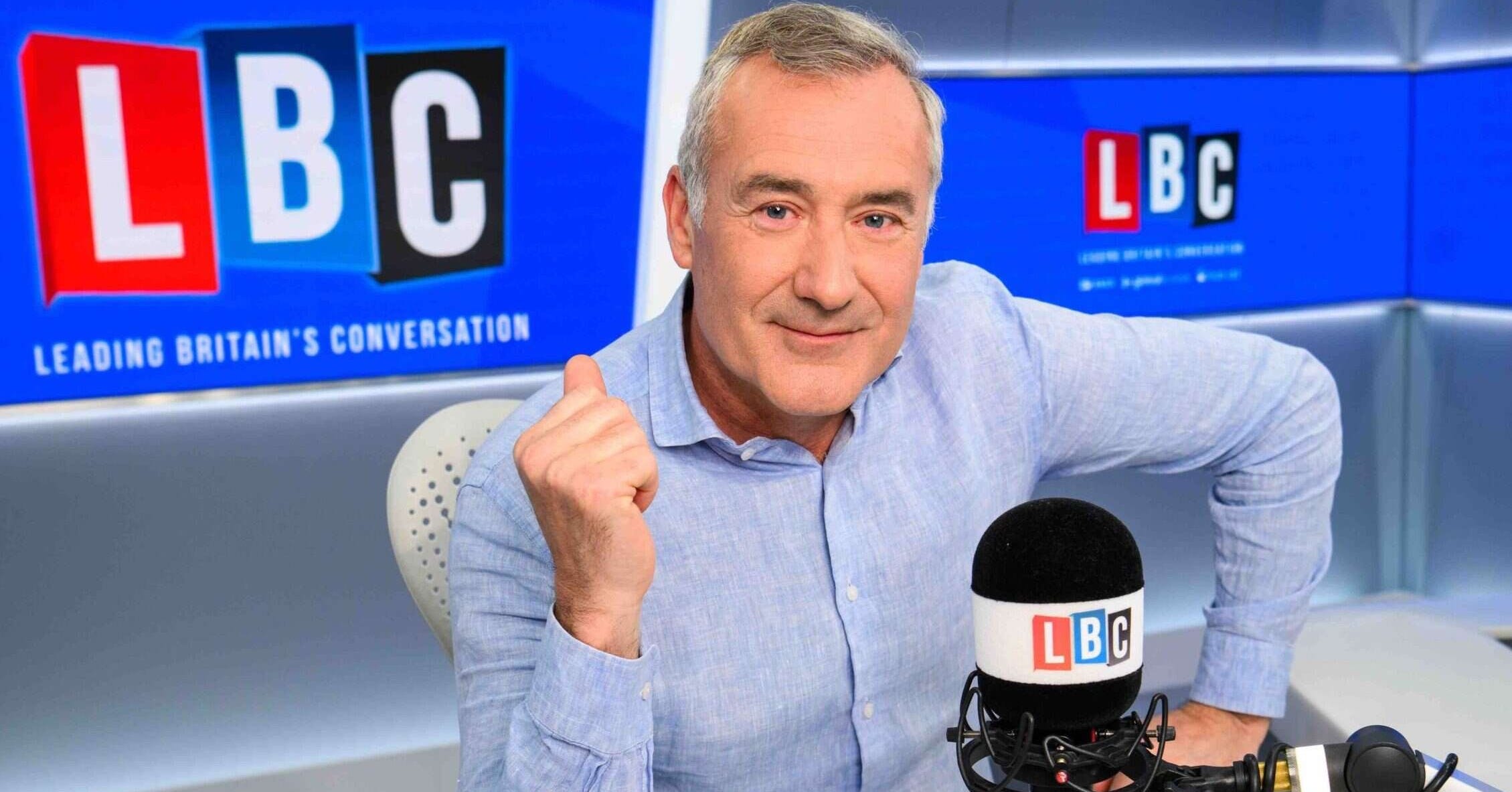
Even among a competitive field, Colin has one of the most storied careers in modern British journalism.
Since joining Sky News in 1997 - where he would remain for 24 years - he has placed himself on the frontline of many of geopolitics’ most volatile quagmires. He was the first British journalist to enter Iraq during the coalition invasion of ‘03, and later conducted one of the final interviews with Muammar Gaddafi before his execution by rebel fighters. For his coverage of the 2016 migrant crisis, Colin won an International Emmy and was nominated for BAFTA.
In 2023, he left Sky for GB News, before leaving again in April 2023 when he joined the team at LBC to host a late-night programme, before declaring his resignation from broadcasting that August to study farming - something he described as a “long-held dream”.
Why did we invite him on?
We’ve been admirers of Colin’s work for years now. In many ways, he represents the last of the old guard of journalism; pounding the pavement, getting the scoop from its source. It’s given him a hell of a life story, and one we hoped he’d share with us and you.
Having now been out of journalism for three years, we wanted to get his thoughts on the current state of British and Western politics. When he retired in 2023, could he have predicted where we’d be now? What does he think of it? Where does he think we’re going?
What did we talk about?
Colin is a man deeply in touch with his roots. Born and raised in Bradford, he’s been keen to stress his heritage throughout his career. But Bradford in the late ‘60s is a very different place to Bradford today. If you haven’t been, you’d be forgiven for having no idea - it’s not a story the media are interested in covering. Or more likely, one they don’t know is happening.
”My sister works on the checkouts at a local Co-op, and she’s my window into life as it really is. She sees ‘white flight’, she sees people in their shrinking enclaves, she’s on the receiving end of racial abuse from angry Pakistani men; this is a world that Sky and BBC don’t even know exists.”
So, what is Bradford like now? If the media are refusing to report or explore what’s happening to our depreciating cities, what can Colin tell us about them?
”I don’t know. And I don’t know because I don’t want to live there. Why would I? I was talking to someone the other day who wanted to move back to Twickenham, and I thought: ‘How lovely.’ How lovely to be able to go back to the place you grew up in. Bradford is a city that’s regressing.”
”Regressing.” It’s not a promising term, and not one you often hear used to describe a city. There are cities in decline, cities that lack adequate support, and cities which are merely mismanaged. But ‘regressing’ implies something different. It implies going backwards.
”It’s not developing, it’s massively segregated; there are no-go areas. When I was a kid, the indigenous population and the immigrants would at least work together. Now, their paths never cross. You can go days without seeing anyone that doesn’t look like you. That’s regression, isn’t it?”
