


There are few things we value more on our show than heterodox thinkers. Today, we’re joined by two of them.
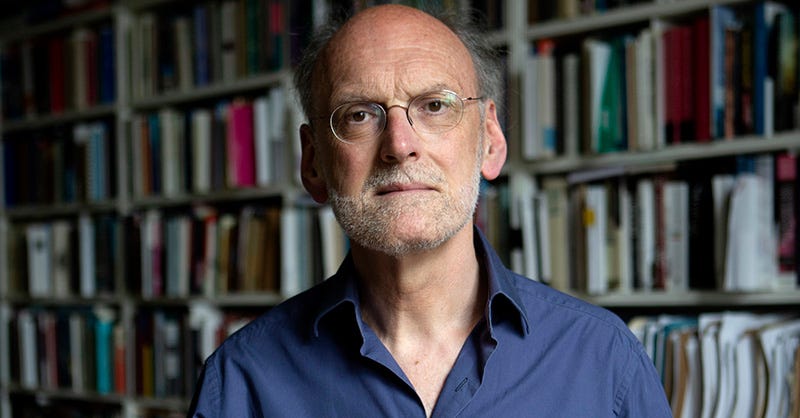
Nigel Biggar is an Anglican priest, writer, and life peer. From 2007 to 2022, he was Regius Professor of Moral and Pastoral Theology at the University of Oxford. Elsewhere, he is an acclaimed social critic and author, having published over a dozen books since 1993. His latest - The New Dark Age: Why Liberals Must Win the Culture Wars - was published in February of this year.
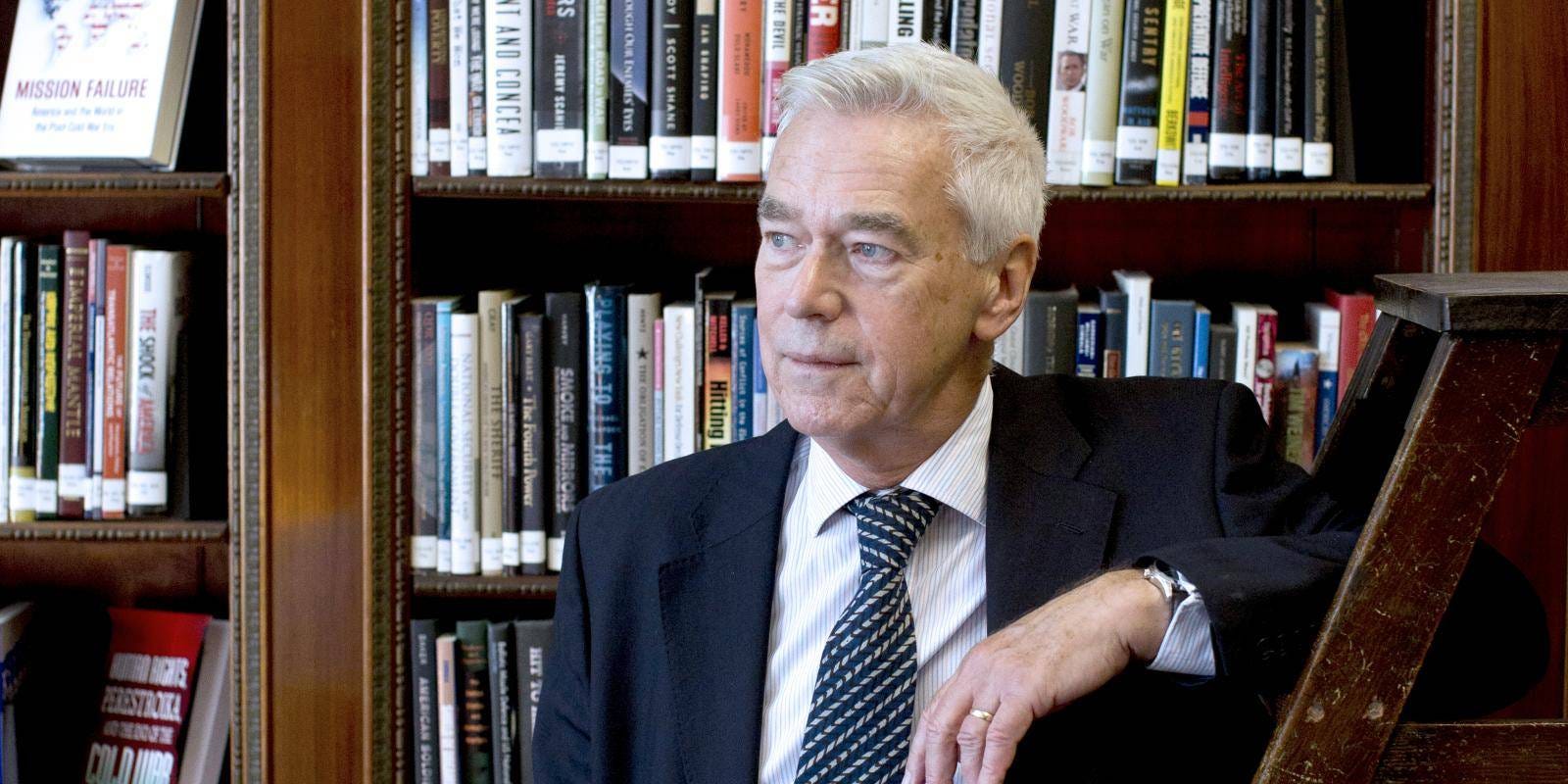
Robert Tombs is professor emeritus of French history at the University of Cambridge, and a fellow of St John’s College; for his work, the French government awarded him the Ordres des Palmes academiques in 2007.
Together, in 2021, Nigel and Robert created History Reclaimed - a website and online resource dedicated to countering censorship of historical texts in modern universities. Combining their talents, the two are due to release their first collaborative book - Our Island’s Story: A Better Story About Britain - this October.
Why did we invite them on?
Nigel has been on our show twice before. The first time was just shy of six years ago, when he joined us to ponder whether Britain’s history was a shameful one, before returning again in 2023 to weigh up the merits and demerits of the nation’s colonial past. He’s always a tremendous guest, and we felt it was high time we had him back.
This is Robert’s first time here, but he’s been someone we’ve been hoping to host for years. When we received word that the two were working together on a new book, we felt the stars had aligned in such a way that we couldn’t ignore.
Our Island’s Story seeks to remedy what these two historians perceive to be a gap in historical education - a complete picture. In schools, history is taught piecemeal; children learn how to write fine essays, but never gain a holistic comprehension of the matter at hand.
We wanted to explore that with them. What are the gaps? What should people know but don’t? What are we missing?
What did we learn?
It’s hard to know where to start. As Robert describes from the outset, the problem is much more profound than is often made out. Our historical education, as laid out in our schools, is not just poor - it hardly exists.
Robert: “We teach very little history in British schools, compared to other countries, especially European ones. In France, it’s compulsory right to the end. In Britain, most students will get half an hour a week, and they’ll stop in Year 9. We never thought it was necessary.”
Over successive generations, the educational bodies and institutions that shape our curriculum have come to value history less and less. Once our professors and lecturers understood that learning history was meaningful for its own sake. Now, it’s been reduced to either a disconnected sequence of morality tales or a mere means to an end.
”To some educators, the only way you could justify teaching history was by saying it taught certain skills. The history doesn’t matter; it’s about deconstructing arguments and citing sources, and only in a very crude way. In a way that real historians would never do. There’s a sense that history is only valuable as stories. That’s why they change it. That’s why they say there were black and African soldiers at Hadrian’s Wall. And when some pedant comes along and says, “Actually, they were Greek or Roman” because that’s what the evidence suggests, they ask, “Why do you want to upset people?” After all, what happened doesn’t really matter; these are just stories. Let’s just tell the stories we like.”
