


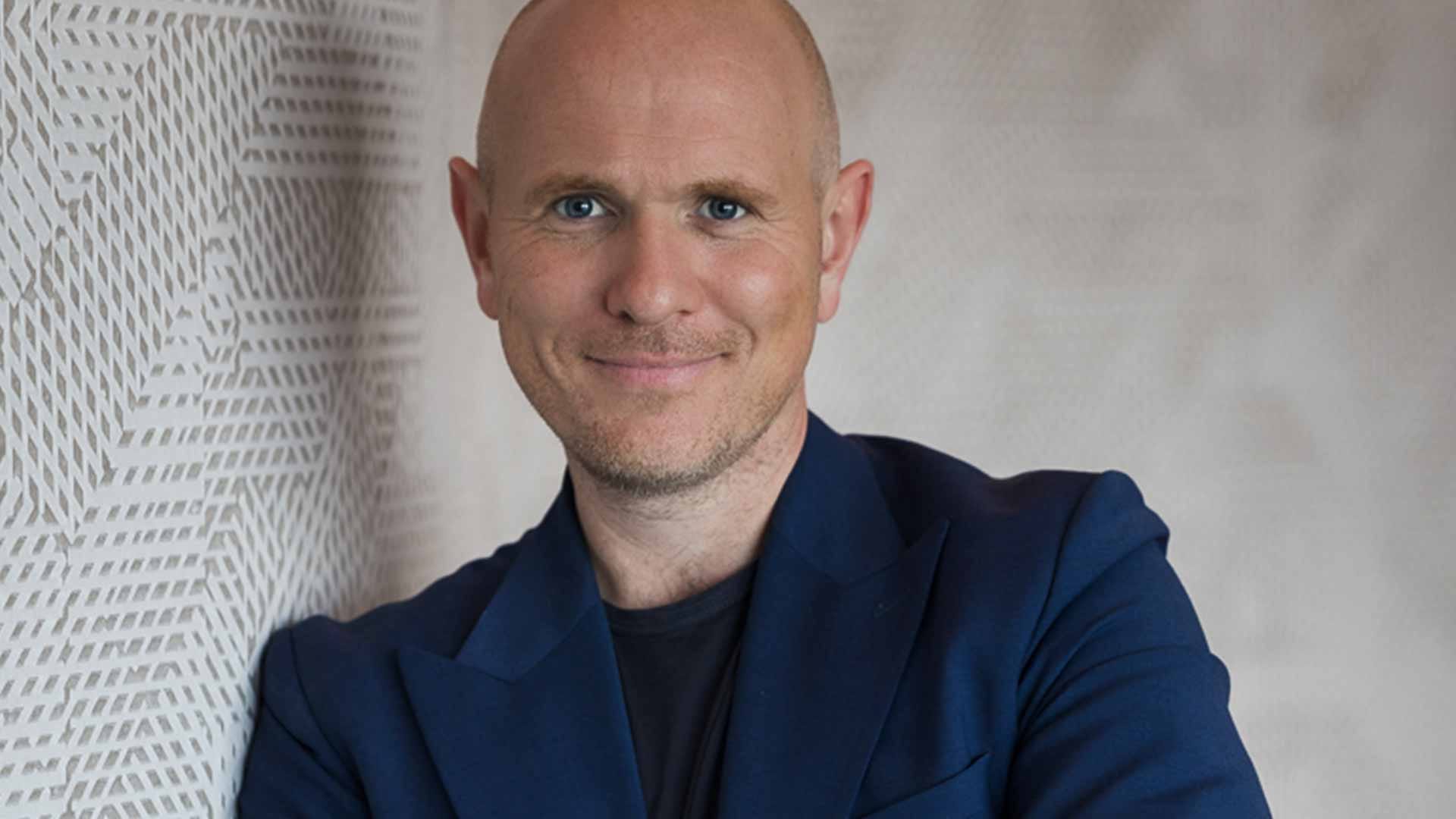
Publishing is one of the most cutthroat, shadowy industries in media. Oliver Malcolm boasts over two decades of experience in it, including long stints at literary giants Random House and Harper Collins. Last month, now independent, he launched High Line Publishing Studio.
Why did we invite him on?
Oliver got into publishing with the noble ambition of sharing ideas. As he ascended the ranks and earned seniority, he came to realise that the opposite was happening; his beloved industry had become a tool of censorship and containment, not intellectual liberation. The breadth of ideas was being narrowed, not expanded.
Now, he’s telling his story.
He joins us to offer an insider look at the perplexing and infuriating world of literature, telling behind-the-scenes stories of how the culture was lost, and what its future might look like.
What did we learn?
Oliver and Francis first met when Oliver bought Francis’ book, (Un)educated. Things started off rosy, but when Oliver left the publishing house that he pushed to option it, things quickly took a turn. All the promises that’d been made in the months prior - serialisation, mass marketing, placement - were ripped from Francis. Why? There’s no way of knowing for sure, but Oliver has a theory.
”It was as much what you represented as much as what was read. And that was very difficult for me. A huge amount of antagonism comes from people before they’ve even read the book. I had to stand in front of committees, explaining to people who clearly hadn’t read the book but already had a prejudice against the writer. I think that’s what happened to you; they thought, ‘Oh, he’s from Triggernometry. I don’t want to do it.’ But you weren’t alone, and you won’t be the last.”
A slim few can get away with heresy. As Oliver explains, if you’re big enough, you might be able to get past the censorious culture of publishing. But “big enough” includes very few people.
”J.K. Rowling does not adhere to the groupthink within publishing, but they let it go because she’s having the best sales of her entire career right now. Only a few years ago, 85 members of staff walked out because they didn’t want to work with her, but now they’re putting up with it. Same for Lee Child: he rejects this whole idea of ‘cultural boycotting’ of Israeli writers, but Jack Reacher books sell so well that he’s still allowed.”
Yet, even then, this principle does not apply to the dead. Even if you sell millions of books a year, you’re not safe from the censor’s red pen. In the last decade, we’ve seen classic works of literature be slapped with a sensitivity warning and, in some cases, partially rewritten.
”It’s like going back to a Picasso and changing the blue face to a green one. It’s unacceptable. It’s changing the historical record. We saw it happen to Roald Dahl, and maybe if it only happened to Roald Dahl we could have taken it on the chin, but it’s happening to everyone. Dr Seuss, Agatha Christie… Classic works are being changed because they don’t adhere to ‘modern sensibilities’. And they’re not even ‘modern sensibilities’; they’re the whims of a small, unpopular group.”
Needless to say, this isn’t why Oliver got into publishing. He entered the field in his twenties, hopeful that he’d be an agent of truth-seeking - allow people to have their say, and allow the public to make their minds up.
”I like the dialectic. The best ideas come out when you have to synthesise different approaches. I want to judge books by what’s on the page, not with some premeditated perspective.”
Instead, he saw top-down authoritarianism: publishers, rather than serving the reader, dictating to the people what to read, believe and feel. It happened slowly, but by now all the houses are united.
”The industry used to be varied. Like newspapers, you had a spectrum of ideas, and a spectrum of people. Through tectonic stealth, the publishing industry today is just, in effect: The Guardian, The Guardian, The Guardian, The Guardian, and The Guardian. And you end up getting the same censorious behaviours across them all, and I found that deeply disturbing.”
So, how did this happen? How did the world of books go from one of imagination, creativity and heterodox thinking to a grey zone of safe, moralising progressivism?
