


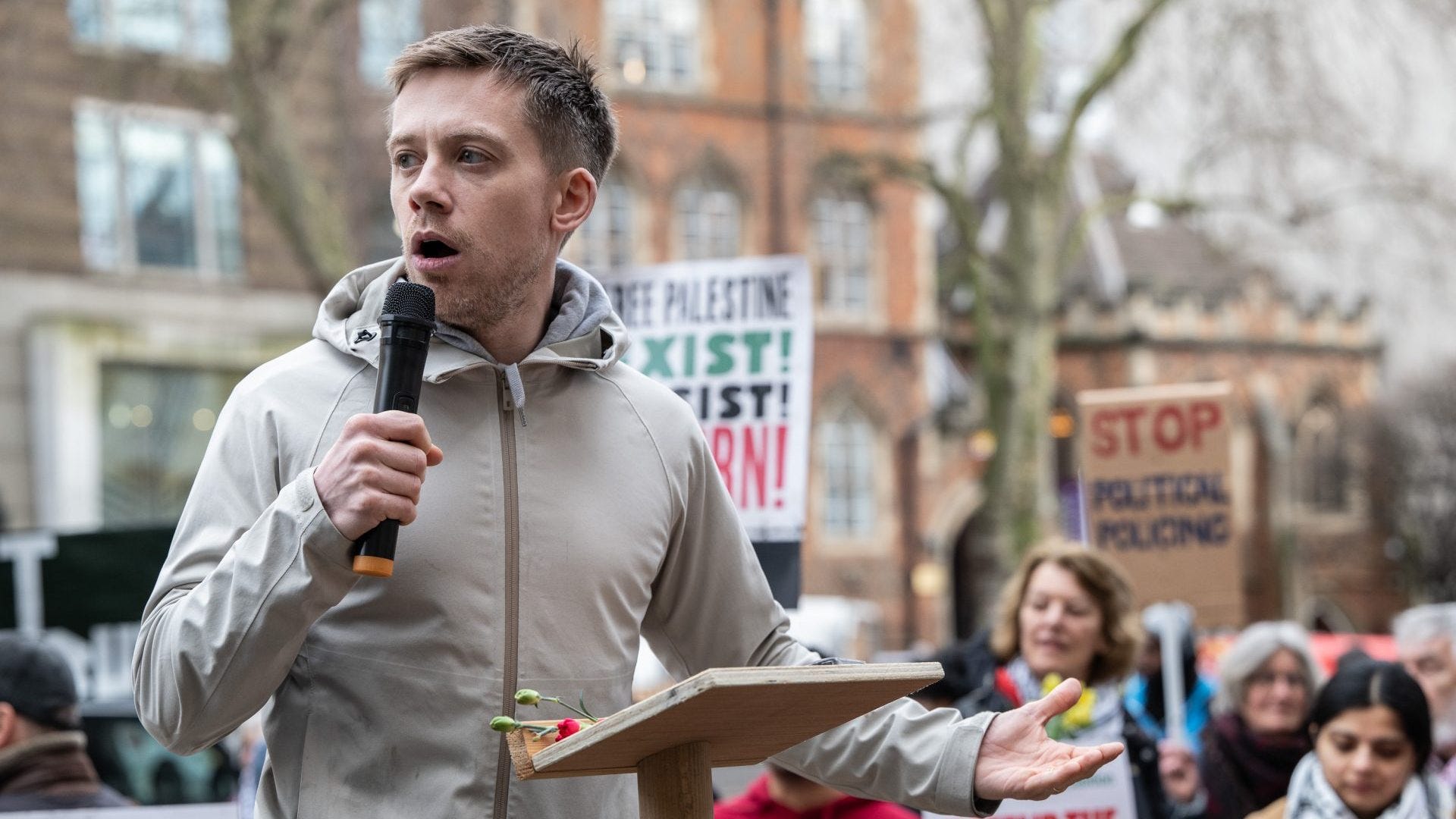
In the last 15 years, there are few figures on the British left more influential than Owen Jones.
His first book, Chavs: The Demonization of the Working Class, was an instant name-maker, winning plaudits and acclaim across the literary world. Since then, he has contributed to the New Statesmen, The National, Tribune, and the Independent, and published several similarly acclaimed works along the way.
Today, he is a columnist for The Guardian. His latest book - The Fall Of The West - was published on the 1st October 2026.
Why did we invite him on?
It’s no secret that Owen Jones has been top of our wishlist for some time. As much as we criticise the excesses of the modern left, we’re fascinated by it and its leading individuals. Owen Jones is one such person, and we’ve publicly and privately chased him to guest on our show for years.
Though we would have had him much sooner, it’s a blessing that the stars have only aligned now.
What did we talk about?
Owen, unlucky many on his side of the aisle, is willing to face the issues that matter to ordinary Brits. While others naval-gaze about tedious culture war issues, he squares up to the defining crisis of our time: the cost of living.
It’s at the heart of everything; the widespread unaffordability of a dignified life, and the diminished upward mobility experienced by huge swathes of the country, are arguably the primary motivation behind all political action we’re seeing today. While the right points the finger at mass immigration, high taxes and nationalisation, Owen turns his aim at something different. Something larger: the system itself - neoliberalism.
It’s a peculiar term; it describes the status quo of our country, and yet most people in it can’t define or point to its key features. Before we go further, we ask Owen: what is neoliberalism?
”It’s privatisation of state assets. It’s slashing taxes on those with assets and wealth. It’s curtailing organised labour. It’s promoting marketisation. It’s financialisation; promoting finance and assets over the productive economy; 80% of finance is circulated through finance rather than returning to the productive economy. Companies no longer invest in themselves or their workers.”
So, what’s the problem?
”In practice, it’s led to less growth, and the growth there has been has been less fairly distributed.”
Though its philosophical roots dig further, ‘neoliberalism’ was a revolution of the late ‘70s into the early ‘80s. Institutionalised in America by Reagan and in Britain by Thatcher, the baton was taken up by subsequent leaders (Bush and Clinton, Blair) who, while making minor adjustments at the margins, never disrupted the fundamental structure of government, economy and society.
If it’s so terrible, why has it stuck around? Why have Western democracies kept voting it in?
