


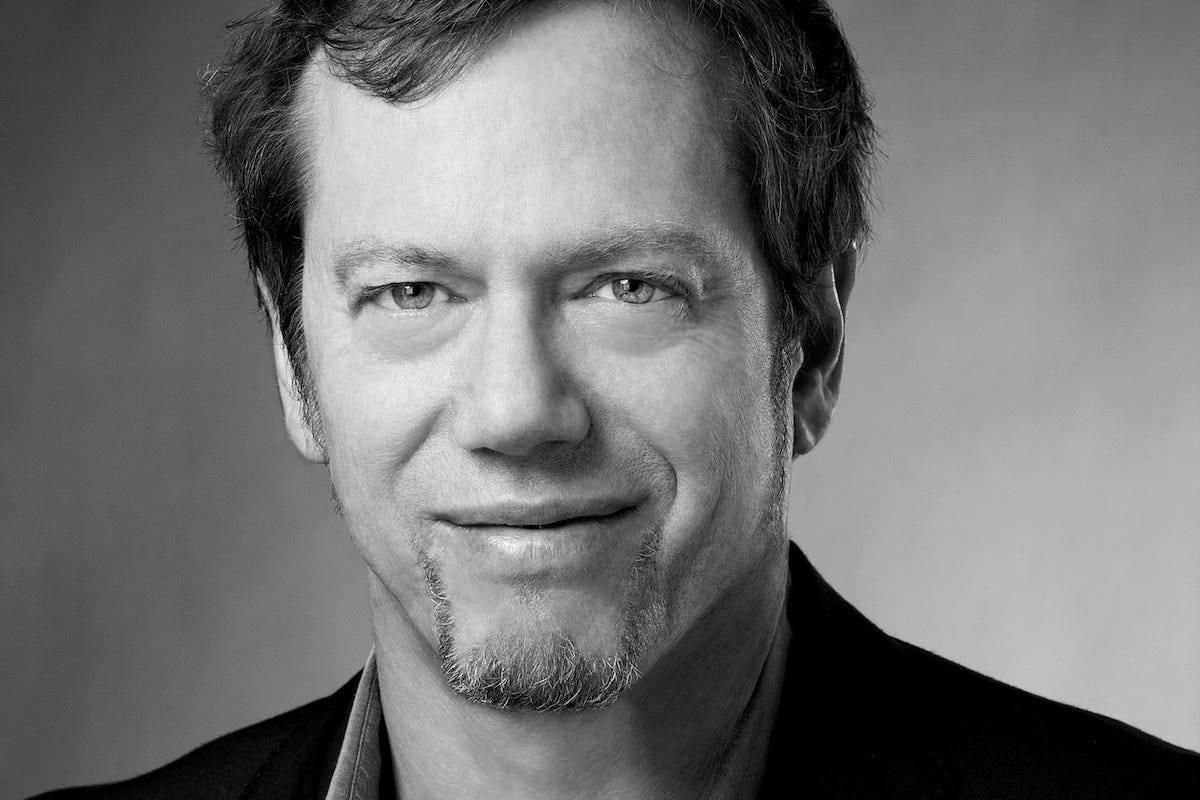
The 48 Laws Of Power is one of the most divisive million-selling books of the last 30 years.
Heralded as a powerful guide to establishing self-worth and success, it’s equally reviled as a form of advocacy for sociopathy, encouraging readers to treat those around them as pawns to be manipulated for their own gain. It’s been cited by some of culture’s most influential figures - including the likes of Michael Jackson, Jay-Z and, allegedly, Fidel Castro - and has also been banned from several American prisons.
Like Machiavelli’s The Prince or Thomas Hobbes’ Leviathan, it’s an amoral, detached explanation of how power works and how individuals can harness it. It describes power not as it should be, but as it is – the ends for which it’s used are irrelevant to its author: Robert Greene.
Power is a fact of life, and a feature worth understanding. We wanted to get Robert’s insight into the political landscape of our time. How does power function in society? How can leaders accrue more, and how can they use what they have to their advantage? As voters, what should we look out for? Knowing what we know now, what’s to come?
What did we learn?
Hunger for power is a trait we typically reserve for only a slim percentage of society. Politicians, CEOs, police officers, managerial types - those who directly benefit from the gain of influence.
This, Robert assures us, is not true.
”Most people want power. The sense that you have no control or influence over your wife, your kids, your boss, your job, etc., is hugely miserable for the human animal. We need a feeling that we have some power over our environment and the people around us. If you feel powerless, you can turn to some very negative behaviours.”
”Power” has a bad reputation; many believe that the desire for it is often mistaken for a want to use others nefariously. This is mistaken. It can be a malevolent force, but not necessarily. Ultimately, it’s an expression of how others see us - power is a kind of validation.
”Every human being needs a degree of validation. We’re a social animal; the idea that we are individuals is kind of an illusion. Everything that we think is reflected through the eyes of other people. If people are alone and isolated, their sense of being a human can fall apart. We can’t get validation or love from ourselves - we need it from other people.”
Nowhere is the will to power - and how widespread it truly is - more obvious in the 21st century than on social media. The mechanisms of every aspect of modern life are shaped by it. Politicians use it to curry support, celebrities use it to advertise to their fans, and even regular people are suckered into the games of influence.
This all came in the years following the publishing of the 48 Laws. Looking at it now, would Robert change any of them to accomodate such a drastic change?
He thinks not.
”Human nature is human nature. We evolved from our ancestors. Our brains are wired a particular way. We all feel envy, we all have an irrational side, we tend to be self-absorbed. All social media does is exaggerate those qualities and make them worse. It’s a machine for creating envy. It’s a tool that makes it easier to deceive. One of the laws is to court attention at all costs, and social media makes that possible.”
Social media also capitalises on the difference between those who have and those who don’t. The whole function of it, Robert argues, relates to the deceptive end of power-seeking - mislead your peers and rivals about your abilities. Harness that, he says, and things change rapidly.
”If I convince myself that I am powerful, confident and worthy of attention, it creates a self-fulfilling dynamic. People read that you’re confident and presume it comes from somewhere real. I see this in Elon Musk. Say what you will about him, he’s very good at marketing. He creates an automobile company off the back of a myth that he’s a revolutionary person, and that makes people want to fund him. The appearance of power alone can draw people to you.”
Still, is this not all more than a little deceptive?
Robert isn’t advising people to acquire useful skills, or be straight-foward and frank with others, or even simply to do what is right. What happened to meritocracy? Let the best man win?
”Let me introduce to the real world - it doesn’t operate like a utopia. People have egos, they have problems. I worked in TV on a terrible show, I won’t even name it… I was a researcher, and a researcher was considered successful based on how many stories they found that then got made. I was the best of my team. I still got fired. Because I didn’t brown-nose the boss. Because of stupid, stupid egos. They don’t care about results - they care about how they feel. That crosses the line from business, into sports, into entertainment, into warfare, into politics. It goes through everything. And the larger the group, the more politics matter, and the more egos affect things.”
The subjects of egos and politics guide us seamessly to one of the subjects we hoped to explore with Robert - President Donald Trump.
Trump’s political career has been nothing short of astonishing. From novelty nominee in 2015 to elected leader of the free world in 2016, from President to pariah in 2021, and then to come back and win again in 2024 with the most dominant Republican victory in decades. It’s still hard to understand, which is why so many try.
Political scientists the world over have been trying to formalise the secret to his success. Robert, as someone who looks at things much more pragmatically, sees things differently. We had to ask: is Trump adhering to the 48 laws?
”He’s absolutely brilliant at one law of power. In fact, I can’t think of anyone who’s even been better at it. Law 6: court attention at all costs. Everyone’s thinking about him all the time. He knows how to turn anything, even a negative, into a publicity stunt. He’s very, very good at the attention game. Not just getting it, but using it.”
Unfortunately for Trump, his greatest strength, when not ballasted, becomes his greatest weakness. To Robert, it’s Trump’s inability to show any reflection that makes him not just a compelling figure to so many, but a loathsome one to everyone else.
”Envy is a powerful motivator, and when you’re powerful, people envy you. Having a sense of humour, particularly a self-deprecating sense of humour, is very important, because it can cut away on that instinct in others to steal power from you. Abraham Lincoln was a master of it. The problem with Trump is that he’s never self-deprecating. His humour is always at the expense of someone else. That might appeal to cruel people, but to everyone else? I think eventually that wears very thin."
Is this something Trump can outlast, or is he doomed?
”I don’t have a crystal ball, and I don’t know what’s going to happen in the next few years. But I know he has a very serious character flaw, and that character flaw will always get in his way…”
And what’s that?
